


Christopher Rees THE SWEETEST ACHE. Red Eye Music
I suppose the one advantage of receiving an album very late for review is that one can read what others think about it. And the acclaim is pretty unanimous, with fans including the legendary John Cale. What’s also interesting about Rees is that he hails from Wales (our home base) and in the local solo stakes the only other artist to gain a reasonable level of national recognition is the delightful Amy Wadge. Now this seems pretty strange in a country with music and singing at the very foundation of its cultural heritage.
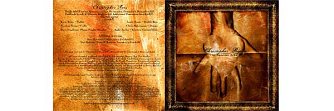
Rees is a singer/songwriter and the first aspect of this album that caught my attention was the profound and intelligent lyrics thankfully included in the sleeve-notes. I say thankfully because the album’s production fails to give the voice and lyrics the emphasis they deserve. Rather, there’s a mess of very raw, poorly separated sounds that in most part just get in the way. I can understand the vibe that Rees required but I think because of this much more care was needed to provide both the angry, intense ambience while providing sonic instrumental and vocal clarity. So, for me in the vital area of production, this album and the artists were badly served.
Now for the good bits. I’ve already mentioned the song writing which I believe is some of the best to come out of the UK this year. Take the first track, Rut, that opens with languid, tumbling piano notes before Rees makes his dramatic and expressive vocal entry. Lyrically, it’s a marvel: “I’m disappointed but I’m reaching for transmission, There’s some aesthetic in this hopeless position, To the winner go the spoils, And the loser heavy toils…” This is one of the most successful songs on the album and contrary to what many people think, I believe Rees has a very unique vocal style and is quite unlike the oft mentioned Jeff Buckley. The song gets increasingly more desperate as it grows louder and angrier. The next song, Kiss Me Kill Me has a more subtle string arrangement and even stronger melody, but instrumentally suffers from overkill when guitars and drums begin to dominate. The strings left to their own devices, coupled with another fabulous vocal would have sufficed.
Curtain Call opens hauntingly with strings and piano but then, around the middle-eight, descends into pure cacophony. Fortunately, the quality of the quieter moments more than make up for it. The Sweetest Ache opens beautifully with plucked acoustic and subtle, slow drum beats. Lyrically, Rees again illustrates his wonderful, simple poetic style: “You make it happen, You make it real, You can make the future present, You can make me feel.” The vocal is also more controlled and contemplative, but is then drowned in another instrumental cacophony after the middle-eight, before settling down again. Then another extraneous, monumantal instrumental rush closes the song. Sonic relief arrives with Swandive and its more stripped down instrumental arrangement including lovely harmonica passages and wafting country guitar riffs. Here the vocal and instrumental balance is just about perfect with Reese given space to work his vocal and lyrical magic.
In almost anything creative one cares to mention, less is usually more. This is especially true of music, and particularly when wonderful, intense song writing and a voice capable of delivering the goods are available. Rees reminds me vocally of a great rock band frontman who has wandered off on his own to complete a solo project. He’s actually a bit more than that and here shows potential to become a rather special singer/songwriter. THE SWEETEST ACHE is an ‘almost’ album, spoiled by poor production and excessive instrumental zeal.
3.5/5
|
|

|

Rise Against |
LATEST GALLERY IMAGES

James Keegan 
Ukraine Latest |
|
|